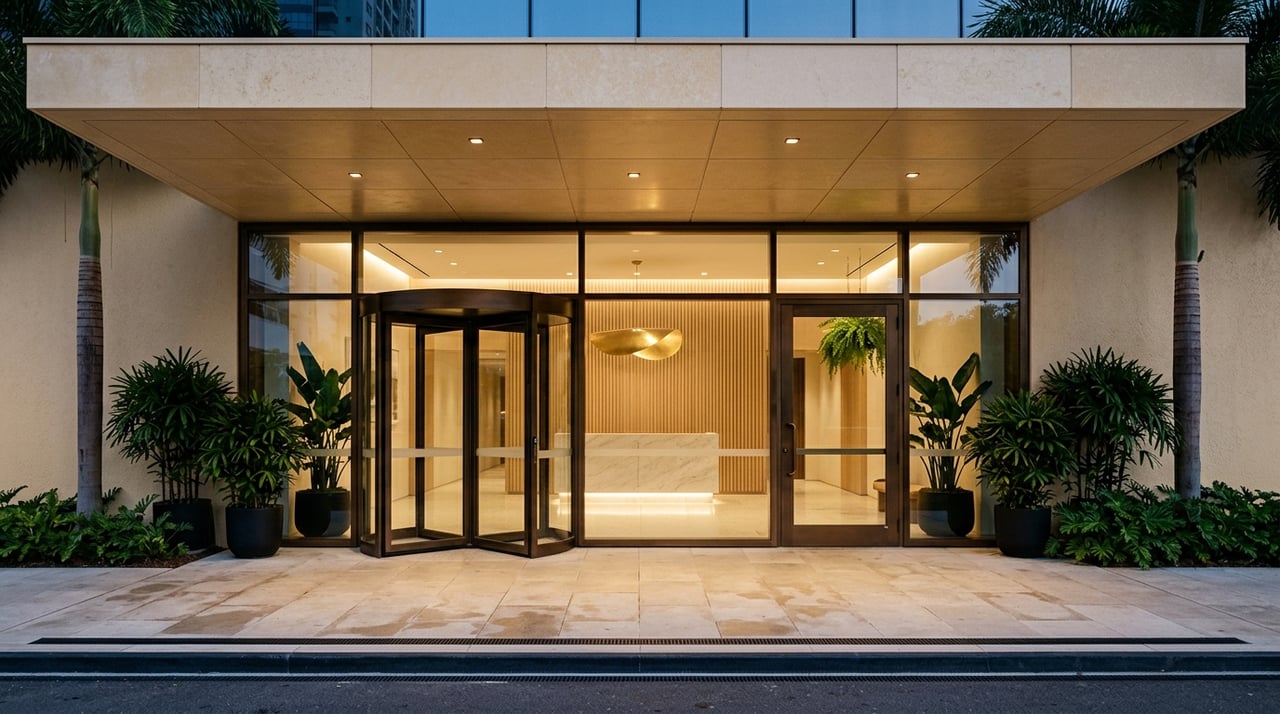
If you want Miami energy right outside your door, Brickell makes a strong first impression. This is the part of the city where residential towers, office buildings, waterfront views, restaurants, and retail all come together in a compact urban setting. If you are wondering what daily life here really feels like, this guide will help you understand Brickell’s pace, layout, and lifestyle advantages before you make a move. Let’s dive in.
Brickell feels like Miami in motion
Brickell is often experienced as Miami’s urban heart because so much happens within a relatively small area. The neighborhood blends business activity, high-rise living, dining, and entertainment in a way that keeps the streets active from morning into the evening.
For many buyers and renters, that is the appeal. You are not choosing Brickell for a quiet suburban layout or traditional single-family streets. You are choosing a vertical, walkable, amenity-rich lifestyle where much of your routine can happen close to home.
Daily life centers on convenience
One of Brickell’s biggest strengths is how easy it is to build your day around nearby essentials and experiences. The main retail and dining spine runs through Brickell City Centre and Mary Brickell Village, which act as major anchors for shopping, services, coffee stops, and dinner plans.
Brickell City Centre includes residences, offices, hotel space, and a large open-air retail center with more than 100 shops and four levels of dining and entertainment. Mary Brickell Village adds another cluster of shops and services and stays active into the evening, which helps give the neighborhood a steady rhythm after work hours.
If you like the idea of living where errands, meetings, lunch, and social plans are all within reach, Brickell delivers that kind of efficiency. It is one of the clearest examples in Miami of a low-friction urban lifestyle.
Getting around without relying on a car
A big part of living in Brickell is the ability to move around the area without driving everywhere. Miami-Dade’s Metromover makes that especially practical, since it is a free elevated people mover serving Downtown Miami, Omni, and Brickell.
Within Brickell, the loop includes stations such as Riverwalk, Fifth Street, Brickell City Centre, Tenth Street/Promenade, Brickell, and Financial District. That station network helps connect many of the neighborhood’s main residential, office, and retail zones.
The City of Miami’s Brickell trolley adds another transportation option. The Underline also strengthens the area’s walk-and-bike appeal, especially around the Brickell station, where the Brickell Backyard creates a more active public space between the Miami River and SW 13th Street.
For many residents, that means you can build a car-light routine if that fits your lifestyle. You may still want a car for broader Miami travel, but central Brickell supports a more flexible day-to-day pattern than many other parts of the region.
Green space matters more here than you think
Brickell is known for towers, not wide-open parkland, so its green spaces tend to stand out in a meaningful way. That is why places like Simpson Park and The Underline can have an outsized effect on how the neighborhood feels.
Simpson Park is a 7.8-acre tropical hardwood hammock fragment of the historic Brickell Hammock. In a district defined by glass, concrete, and density, that kind of natural contrast gives residents a place to slow down and step into a different atmosphere.
The Underline offers another kind of outdoor value. Near the Brickell station, it adds walking and biking space along with features such as the River Room, Urban Gym, and Promenade.
If you want urban living but still care about access to outdoor space, these spots become important lifestyle markers. They do not make Brickell feel suburban, but they do add balance.
Brickell is not one single experience
One of the most helpful things to understand before moving here is that Brickell changes block by block. The neighborhood works best when you think of it as a tower district with several micro-areas, each with its own feel.
That matters because two homes in Brickell can offer very different day-to-day experiences, even if they are only minutes apart. Your ideal location often depends on whether you want more activity, more water views, easier transit access, or a slightly quieter setting.
Central Brickell feels busiest
Around Brickell City Centre, Mary Brickell Village, and Tenth Street/Promenade, you get the most concentrated retail-core energy. This is the area where dining, shopping, foot traffic, and convenience are most front and center.
If you like being in the middle of the action, this part of Brickell often feels the most connected. It suits people who want to step outside and immediately access the neighborhood’s main social and commercial pulse.
Riverfront Brickell feels connected
The western and riverfront side, including areas around Fifth Street and Icon Brickell, ties more closely to Miami River access. That setting can feel distinct from the retail core, even while staying very connected to the rest of Brickell.
For some residents, this area offers a strong mix of urban energy and waterfront orientation. It can appeal to buyers who want a tower lifestyle with easy access to riverwalk-style surroundings.
Brickell Key feels more tucked away
Brickell Key functions as an island pocket within the broader district. While still part of the Brickell story, it offers a different sense of separation from the busiest central blocks.
If you want the advantages of Brickell while feeling a little removed from its most active stretches, this pocket may stand out. It is a good example of how Brickell can offer both intensity and retreat, depending on where you land.
The Underline area feels transit-oriented
Along the SW 8th- to 13th-street edge near the Brickell station and The Underline, the neighborhood feels more transit- and park-oriented. This section can be especially appealing if you value mobility, walking routes, and access to public space.
For buyers who prioritize convenience over car dependence, this part of Brickell deserves a close look. It captures the neighborhood’s urban advantages in a very practical way.
Housing here is mostly vertical living
Brickell is defined by high-rise residential towers and mixed-use buildings. This is not a neighborhood where single-family streets shape the identity. Instead, the draw comes from living above or near restaurants, offices, retail, transit, and waterfront amenities.
That makes Brickell especially attractive if you want condo living with services and activity close by. Many people who move here are looking for convenience, views, building amenities, and a home base that supports a fast-moving lifestyle.
It also means your building choice matters a great deal. In a neighborhood like Brickell, the right fit is not only about square footage or finishes. It is also about how the building and location support the way you want to live each day.
Brickell suits a specific type of buyer
Brickell tends to appeal most to people who want a dense, urban lifestyle with restaurants, retail, and transit close to home. That can include full-time residents, relocation buyers, second-home shoppers, and investors who see value in central Miami living.
It may be a strong fit if you want to be near Downtown Miami, prefer condo living, and enjoy the convenience of nearby dining and entertainment. It can also work well if you value the ability to move through the area on foot, by trolley, or by Metromover.
At the same time, Brickell is not for everyone. If your ideal setting is quieter, more spread out, or centered on single-family homes, another Miami neighborhood may align better with your priorities.
What to consider before moving to Brickell
Before choosing Brickell, it helps to think beyond the skyline and focus on your actual routine. The right decision usually comes down to how you want your days to feel.
Ask yourself questions like:
- Do you want to walk to coffee, dinner, and errands?
- Do you prefer a high-rise building over a traditional residential street?
- Would you use Metromover, the trolley, or The Underline regularly?
- Do you want to be in the middle of Brickell’s busiest blocks, or slightly outside them?
- Is waterfront access or a more tucked-away pocket important to you?
Those answers can help narrow not just the neighborhood, but the right section of Brickell. In a place with this much block-by-block variation, local guidance can make a real difference.
If you are exploring Brickell as your next move, a clear strategy matters. The neighborhood offers a polished, fast-paced lifestyle, but the best fit depends on which part of Brickell matches the way you live. If you want tailored guidance on Brickell condos, relocation, investment opportunities, or discreet off-market options, connect with Alexandra Zeidan.
FAQs
What is daily life like in Brickell, Miami?
- Daily life in Brickell is urban, high-rise, and convenience-focused, with restaurants, retail, offices, and transit options concentrated in a compact area.
Is Brickell a walkable neighborhood in Miami?
- Brickell supports a walkable, car-light lifestyle in many areas, especially with access to Metromover, the City of Miami trolley, and The Underline.
What types of homes are common in Brickell?
- Brickell is primarily made up of high-rise residential towers and mixed-use buildings rather than single-family homes.
Are there parks or outdoor spaces in Brickell?
- Yes. Simpson Park and The Underline add meaningful outdoor space in an otherwise tower-dense neighborhood.
What are the different areas within Brickell?
- Brickell includes distinct micro-areas such as the central retail core, the riverfront side, Brickell Key, and the transit-oriented area near Brickell station and The Underline.
Who is Brickell best suited for?
- Brickell is often best suited for people who want an amenity-rich, urban lifestyle with close access to dining, retail, and transit in central Miami.