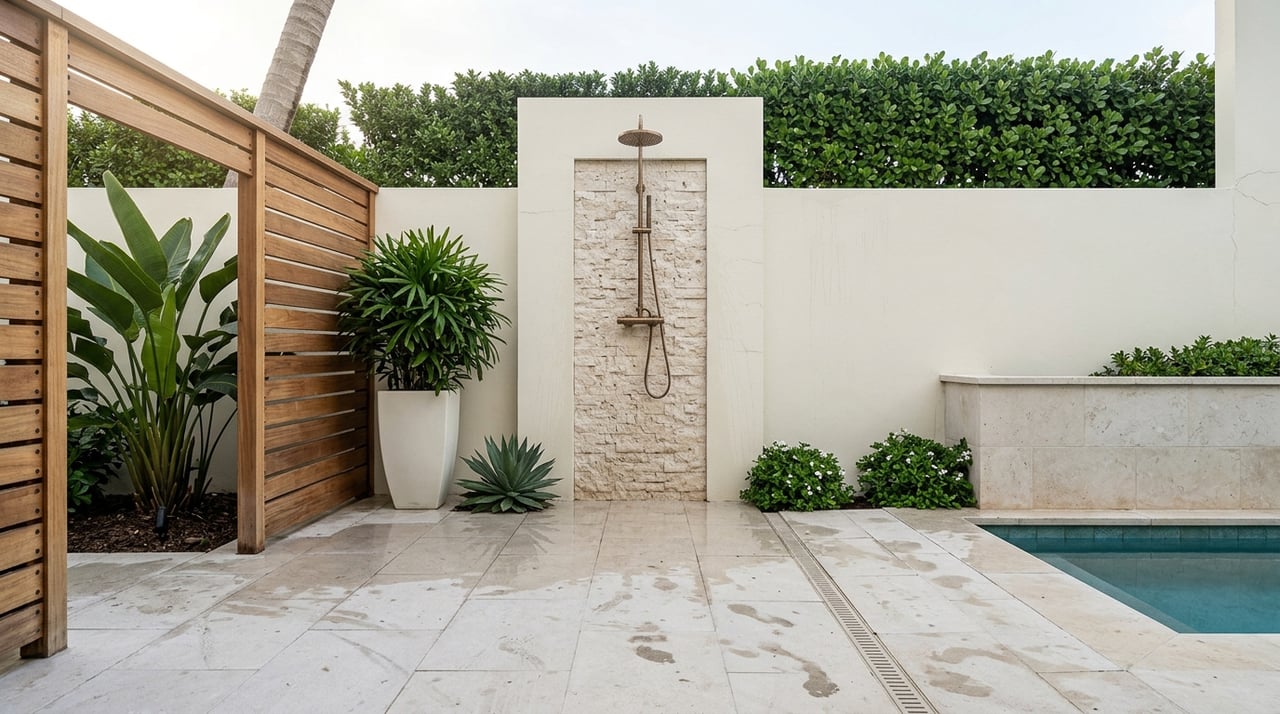
If you are drawn to the idea of Miami access with a true island routine, Key Biscayne stands apart. Life here feels shaped by water, parks, and a compact village layout, yet your real estate choices can look very different depending on where on the island you focus. If you are thinking about buying, selling, relocating, or simply getting to know the area better, this guide will walk you through homes, beaches, and daily life on Key Biscayne. Let’s dive in.
Why Key Biscayne Feels Different
Key Biscayne is a barrier island between Biscayne Bay and the Atlantic Ocean, with a land area of about 1.25 square miles. The village had an estimated population of 14,815 as of July 1, 2025, which helps explain why it often feels compact, connected, and easy to learn.
One of the biggest lifestyle factors is access. Getting on and off the island means crossing the Rickenbacker Causeway toll plaza, so your routine is shaped by a single main link to mainland Miami rather than a typical city street grid. For many residents, that creates a distinct sense of separation from the pace of the mainland.
Key Biscayne Homes and Housing Mix
If you are wondering whether Key Biscayne is mostly condos or mostly houses, the short answer is that it is a mix. The village’s land-use categories include low-density and medium-density single-family, two-family, and multiple multifamily categories, including high-density multifamily and ocean resort hotel areas.
In practical terms, that means you can find single-family home pockets, duplex or two-family properties, and a strong condominium presence. The village plan also notes that most existing higher-density condominium buildings are on the beach, which makes oceanfront condo living a defining part of the local housing picture.
The market itself is clearly high value. Census data report a median value of owner-occupied homes of $1,575,300, a median household income of $181,505, an owner-occupied housing rate of 66.6%, 7,310 housing units, and 4,945 households. For buyers and sellers alike, that points to a small but significant residential market where location, property type, and access can strongly shape value.
Single-Family Living on the Island
Single-family areas can appeal to buyers who want more privacy, more interior space, or a traditional home layout. Depending on the location, some residential areas also include private beach accessways, which can add a meaningful lifestyle layer to everyday living.
For sellers, single-family homes often attract buyers looking for an island setting without giving up the feel of a full-time primary residence. The appeal is often tied to both the home itself and the ability to move through daily life with beaches, parks, and errands close by.
Condo Living Near the Water
Condominiums are a major part of Key Biscayne’s identity, especially near the beach. Older planning documents note that larger condo buildings often have beach access, reinforcing the connection between condo living and the island’s waterfront lifestyle.
For many buyers, that can mean a lower-maintenance ownership experience paired with direct access to the shoreline and outdoor amenities. For investors, second-home buyers, or relocation clients, condos may also offer a more streamlined entry point into the Key Biscayne market, depending on goals and budget.
Beaches and Parks Shape Daily Life
On Key Biscayne, outdoor living is not just a weekend activity. It is part of the rhythm of the island, and that matters when you are evaluating what it feels like to live here full time.
The beach experience is spread across three main destinations: Village Beach Park, Crandon Park, and Bill Baggs Cape Florida State Park. Each one supports a slightly different routine.
Village Beach Park
Village Beach Park offers residents-only waterfront access through a key fob system, according to the village parks map. For residents, that can make beach time feel less like a day trip and more like a simple part of the week.
If your ideal routine includes early walks, quick ocean swims, or an easy stop by the water after work, this kind of access can become a major quality-of-life factor. It is one of the details that helps distinguish island living from a typical mainland routine.
Crandon Park
Crandon Park sits on the barrier island with the Atlantic Ocean on one side and Biscayne Bay on the other. It includes a beach, nature center, tennis center, golf course, and marina, making it one of the most varied recreational areas in the local landscape.
For residents, that variety means your outdoor options can change with the day. One morning might be beach time, while another might center on tennis, boating, or a quieter nature-focused outing.
Bill Baggs Cape Florida State Park
Bill Baggs Cape Florida State Park adds another layer to island life. It offers 1.25 miles of shoreline, the Cape Florida Lighthouse, beach restrooms and showers, picnic pavilions, a fishing pier, playgrounds, volleyball courts, and on-site dining.
That range of amenities supports both everyday use and longer, more relaxed outings. It is also one of the reasons Key Biscayne can feel lifestyle-rich without requiring a long drive to find waterfront recreation.
Parks, Paths, and Everyday Movement
Beyond the beaches, Key Biscayne has a dense network of local parks and paths. The village parks map includes Village Green Park, Library Park, Beach Park, Dog Park, Calusa Park, Hampton Park, Lake Park, East Enid Linear Park, and the Butterfly Corridor.
That park network helps shape how people move through the island. Walking, jogging, tennis, dog-park visits, and short park trips fit naturally into the day because they are close, visible, and easy to reach.
For buyers comparing Key Biscayne to other Miami-area locations, this is an important distinction. The lifestyle here is not only about owning property near the water. It is also about how often you can actually use the outdoor environment without turning it into a major plan.
Errands and the Village Center
One of the most practical advantages of living on Key Biscayne is how many everyday needs are clustered close together. Rather than relying on a large shopping district, most errands are concentrated in a handful of small plazas along Crandon Boulevard and Harbor Drive.
According to the local chamber directory, those centers include a grocery store, pharmacy, bank branches, a post office, urgent care, salons, cafés, bakeries, sushi, Latin and Mediterranean restaurants, real estate offices, and other service uses. That setup helps make the island feel self-contained for ordinary daily needs.
If you are considering a move here, this matters more than it may seem at first glance. You may still leave the island for work, larger shopping runs, or mainland appointments, but many day-to-day tasks can be handled without crossing the causeway.
Family Routines and Community Services
For households planning around school schedules and community resources, Key Biscayne offers a fairly concentrated setup. The island has Key Biscayne K-8 Center at 150 W. McIntyre Street, and the school handbook lists school hours and after-school care.
The Miami-Dade Public Library System is also replacing the local branch at 299 Crandon Boulevard. During construction, residents use a temporary library at Key Colony Plaza, 200 Crandon Boulevard #101, and a new 20,000-square-foot branch is expected in 2028.
These details help explain why many people experience the island as more self-contained than other nearby areas. Daily routines often center on school drop-off, park time, beach access, and short local errands rather than frequent cross-city driving.
Coastal Resilience Is Part of Island Life
Buying or owning on a barrier island also means paying attention to infrastructure and long-term planning. On Key Biscayne, coastal resilience is part of everyday civic life, not a side issue.
The village’s Resilient Infrastructure and Adaptation Program addresses flooding, sea-level rise, shoreline protection, stormwater, and utility hardening. For buyers and owners, that context is important because it reflects how the community is planning for the realities of coastal living.
This does not change the appeal of the island. Instead, it gives you a clearer picture of what informed ownership looks like in a waterfront market where infrastructure planning matters alongside lifestyle and property selection.
What Buyers Should Consider
If you are exploring Key Biscayne as a buyer, it helps to think beyond the headline appeal of beaches and ocean views. The right fit often comes down to how you want to live on a day-to-day basis.
A few useful questions to ask include:
- Do you want a single-family home, a two-family property, or a condominium?
- How important is direct or nearby beach access to your routine?
- How often will you need to commute off-island?
- Do you want to be close to parks, school, or the village retail centers?
- Are you looking for a primary residence, seasonal home, rental, or investment opportunity?
On a compact island, small location differences can have an outsized effect on your experience. That is why local guidance can be especially valuable here.
What Sellers Should Keep in Mind
For sellers, Key Biscayne’s appeal is highly lifestyle-driven, but buyers still need clarity. A strong presentation should connect the property to the way people actually live on the island, whether that means proximity to the beach, ease of errands, access to parks, or the privacy and comfort of a specific home type.
Because the housing stock is mixed, positioning also matters. A condo buyer may be prioritizing beach access and convenience, while a single-family buyer may be weighing privacy, layout, and long-term livability.
The most effective strategy is usually one that combines polished presentation with a grounded understanding of what makes your location on the island distinctive. In a market like Key Biscayne, nuance matters.
If you are considering a move to or within Key Biscayne, working with an advisor who understands both the lifestyle and the property mix can make the process far more focused. To plan your next step with clarity and discretion, connect with Alexandra Zeidan.
FAQs
What is daily life like on Key Biscayne?
- Daily life on Key Biscayne often revolves around beach time, parks, school drop-off, and errands in small local plazas, with off-island trips mainly for work, larger shopping, or appointments.
Is Key Biscayne mostly condos or houses?
- Key Biscayne has a mixed housing stock that includes single-family, two-family, and multifamily properties, with many higher-density condominium buildings concentrated near the beach.
What beaches and parks are on Key Biscayne?
- Key Biscayne’s main outdoor destinations include Village Beach Park, Crandon Park, and Bill Baggs Cape Florida State Park, along with neighborhood parks such as Village Green Park, Calusa Park, and the Dog Park.
Do you need to leave Key Biscayne for everyday errands?
- Usually not for basic daily needs, since the island has a grocery store, pharmacy, banks, urgent care, restaurants, and other services in local shopping plazas.
What should Key Biscayne buyers consider before purchasing?
- Buyers should consider property type, beach access, off-island commute needs, proximity to parks or village services, and whether the home is intended as a primary residence, seasonal property, rental, or investment.
How is Key Biscayne addressing coastal resilience?
- The village is addressing coastal conditions through its Resilient Infrastructure and Adaptation Program, which focuses on flooding, sea-level rise, shoreline protection, stormwater, and utility hardening.